Technology Financing Markets How It Works Talk to Us

30+ days of power. No grid input required.

Meridian Pi combines compressed hydrogen storage with lithium battery buffer to deliver autonomous endurance far beyond what conventional battery-only systems can provide. The storage architecture is sized to the facility's actual reliability requirements.

Atmospheric Hydrogen Solar Generation Energy Storage Fuel Cell Dispatch Gigabit Fiber Carbon Capture
Dual-Layer Storage

Hydrogen for duration. Batteries for response.

Conventional battery-only storage systems max out at 4-8 hours of backup. Meridian Pi's dual-layer architecture uses compressed hydrogen for long-duration energy storage and lithium batteries for sub-second transient response -- delivering both duration and responsiveness from a single integrated system.

Compressed hydrogen provides days to weeks of stored energy density
Lithium buffer handles sub-second transient load events
30+ days autonomous endurance without any renewable generation input
Storage capacity sized to facility load profile and reliability requirements
Modular -- additional storage vessels added without system shutdown
§48E clean electricity ITC applicable on storage components
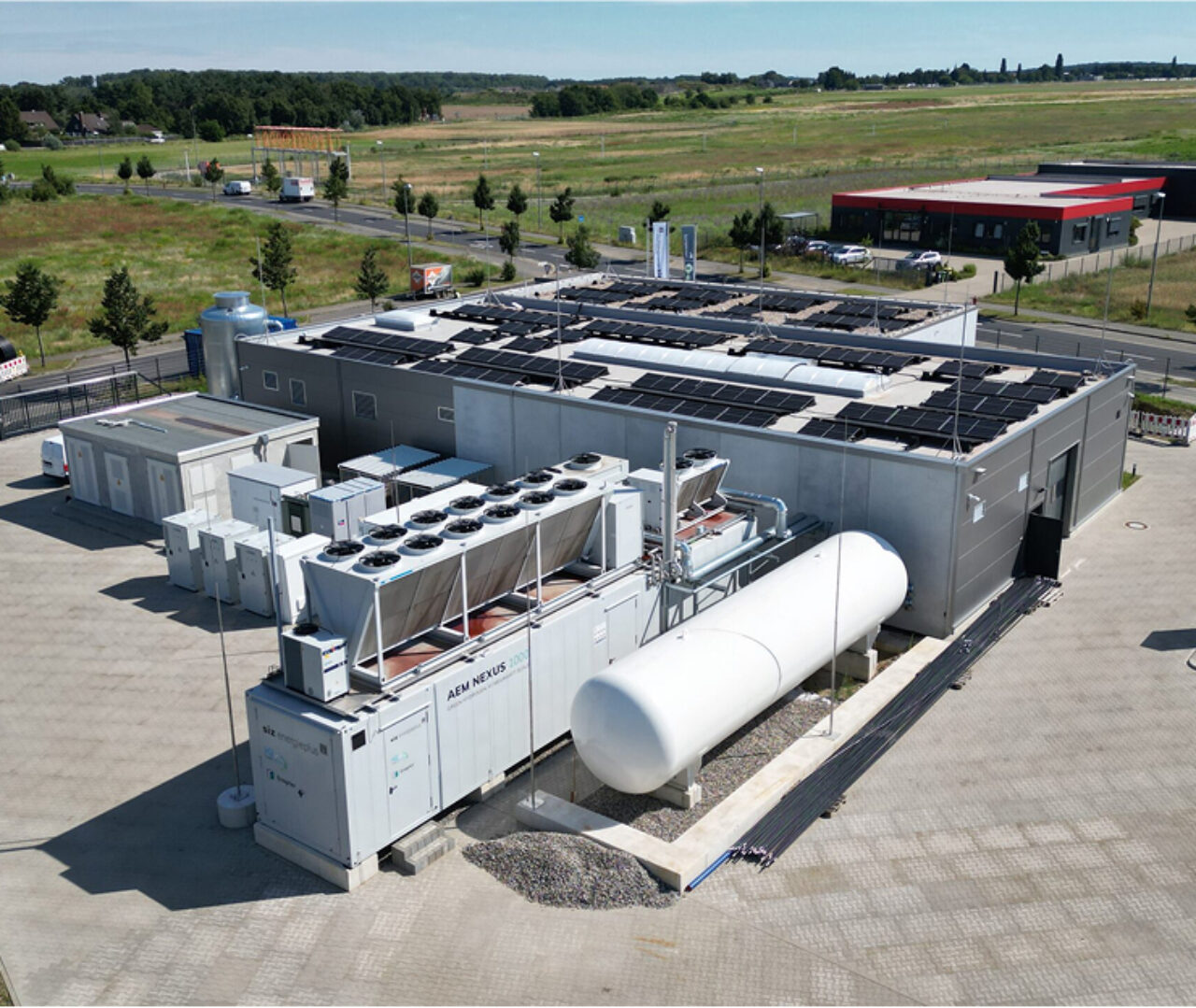
Hydrogen storage system
Batteries run for hours.
Hydrogen runs for weeks.
Specifications

Storage system parameters.

700 barg
Maximum compressed hydrogen storage pressure
Type IV
Carbon fiber composite pressure vessels
30+ days
Autonomous endurance without renewable input
<1 sec
Lithium buffer transient response time
Modular
Storage capacity expandable without shutdown
§48E
Clean electricity ITC on qualifying storage components
Get Started

How much autonomy does your facility need?

Storage sizing is determined by your load profile and reliability requirements. Share your requirements and we will design accordingly.

Qualify Your Site Back to Technology